





How to Collect Payment at a Farmers Market: A Simple Guide for Craft and Sublimation Sellers
If you are wondering how to collect payment at a farmers market, the short answer is this: you should be prepared to accept multiple payment methods, including cash, credit and debit cards, and mobile payments. The easier you make it for customers to pay, the more sales you will close. At local markets, convenience matters. If someone loves your custom tumbler or personalized shirt but cannot pay the way they prefer, you risk losing the sale.
In this guide, we will walk through the best payment options for market vendors, what tools you need, how to stay organized, and how to protect your profits.
Why Payment Setup Matters at Farmers Markets
Farmers markets are fast paced. Customers are browsing, comparing booths, and often making impulse purchases. You do not want payment confusion to slow things down.
A smooth checkout process helps you:
-
Increase completed sales
-
Look professional and prepared
-
Track income accurately
-
Reduce mistakes
-
Build customer trust
If you are selling personalized items like mugs, tumblers, or shirts made with quality blanks such as Craft Express sublimation mugs, your checkout process should feel just as polished as your products.
1. Accept Cash (But Do Not Rely on It Only)
Cash is still common at farmers markets. Some customers bring small bills specifically for local vendors.
What You Need for Cash Payments
-
A secure cash box
-
Small bills for change
-
A way to track sales
-
A secure place to store extra cash
Start the day with enough change, such as ones, fives, and tens. Running out of change creates awkward delays.
Safety Tip
Keep large bills out of sight and avoid counting large amounts of money publicly. If possible, have a secure bag or lockable box.
2. Accept Credit and Debit Cards
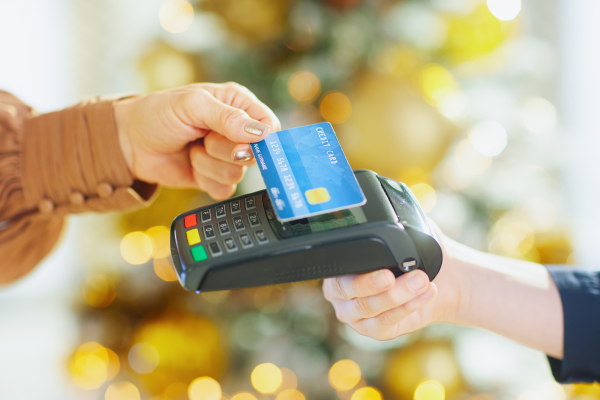
Card payments are essential. Many shoppers do not carry much cash anymore.
Using a mobile card reader connected to your phone or tablet allows you to accept:
-
Visa
-
Mastercard
-
American Express
-
Discover
Card acceptance increases your average sale because customers are not limited by the cash in their wallet.
3. Offer Mobile Payment Options
Digital payment apps are increasingly popular.
Common options include:
-
Tap to pay
-
Mobile wallet payments
-
Peer to peer payment apps
Many card readers now support contactless payments, which speeds up checkout and reduces handling of cash.
4. Prepare for Internet and Power Limitations
Farmers markets are often outdoors, which means internet service may be inconsistent.
Prepare by:
-
Checking your mobile data strength ahead of time
-
Bringing a portable charger
-
Fully charging your devices
-
Using a payment system that can process offline and sync later if needed
If you are running equipment like a heat press for on site personalization using reliable tools such as Craft Express heat presses, make sure your power setup does not interfere with your payment device.
Always follow equipment safety and temperature guidelines when operating machinery at a market.
5. Track Every Sale
Good record keeping is just as important as making the sale.
You should track:
-
Total sales
-
Sales tax collected
-
Payment method used
-
Inventory sold
This helps with:
-
Restocking
-
Calculating profit
-
Filing taxes
-
Evaluating market performance
Many mobile payment systems automatically track this data, which simplifies bookkeeping.
6. Understand Sales Tax Requirements
In most states, if you are selling physical goods such as personalized tumblers from collections like Craft Express sublimation tumblers, you must collect sales tax.
Check your state regulations to determine:
-
If sales tax is required
-
What percentage to charge
-
How to report and remit it
Some vendors build tax into the displayed price for simplicity, while others add it at checkout. Be consistent and transparent.
7. Display Clear Pricing
Clear pricing prevents confusion at checkout.
Tips for booth pricing:
-
Use easy to read signs
-
Avoid complicated decimals
-
Clearly label personalization fees
-
Show bundle pricing when applicable
When customers know exactly what they are paying, they are more comfortable completing the purchase.
8. Prepare for Custom Orders
If you are offering personalized items that require production time, decide in advance how you will handle deposits.
Options include:
-
Full payment upfront
-
Fifty percent deposit with balance due at pickup
-
Payment before production begins
Be clear about turnaround times and provide receipts if possible.
9. Provide Receipts
Some customers want proof of purchase, especially for higher priced items.
Digital receipts are convenient and professional. They also help you:
-
Build an email list
-
Track repeat customers
-
Maintain accurate records
10. Protect Your Profits
Payment processing fees can add up. Keep these in mind when pricing your products.
For example, if your tumbler costs 20 dollars to produce and you sell it for 45 dollars, card processing fees will slightly reduce your margin. Build this into your pricing strategy so it does not surprise you later.
Common Payment Mistakes to Avoid
Avoid these common issues:
Only accepting cash
Forgetting to bring change
Not charging devices
Not accounting for transaction fees
Failing to track sales
Ignoring sales tax requirements
Preparation prevents stress.
Final Thoughts: How to Collect Payment at a Farmers Market
So, how do you collect payment at a farmers market successfully?
Accept multiple payment methods.
Be prepared with cash and card options.
Track your sales carefully.
Understand your tax responsibilities.
Keep checkout simple and professional.
The easier you make it for customers to pay, the more confident they feel buying from you. A smooth payment process reflects the professionalism of your entire customization business.
When your booth setup, product quality, and checkout process all work together, you create a seamless experience that encourages repeat customers and long term growth.
Ready to start your handmade sublimation, VersiFlex, DTF or HTV business? Head to craftexpressus.com for heat presses, blanks, supplies and more!
FAQ
Q: Do I need a business bank account to accept card payments?
Most payment processors require a linked bank account, and using a separate business account is recommended.
Q: Should I accept digital payment apps?
Yes, offering multiple options increases your chances of closing the sale.
Q: What if internet service is poor?
Choose a payment system that allows offline processing or ensure strong mobile data coverage.
Q: Do I need to collect sales tax at a farmers market?
In most states, yes, if you are selling physical goods. Check your local regulations.
Q: Is cash or card more common?
It depends on your area, but many vendors report that card payments now make up the majority of sales.


Leave a comment
This site is protected by hCaptcha and the hCaptcha Privacy Policy and Terms of Service apply.