





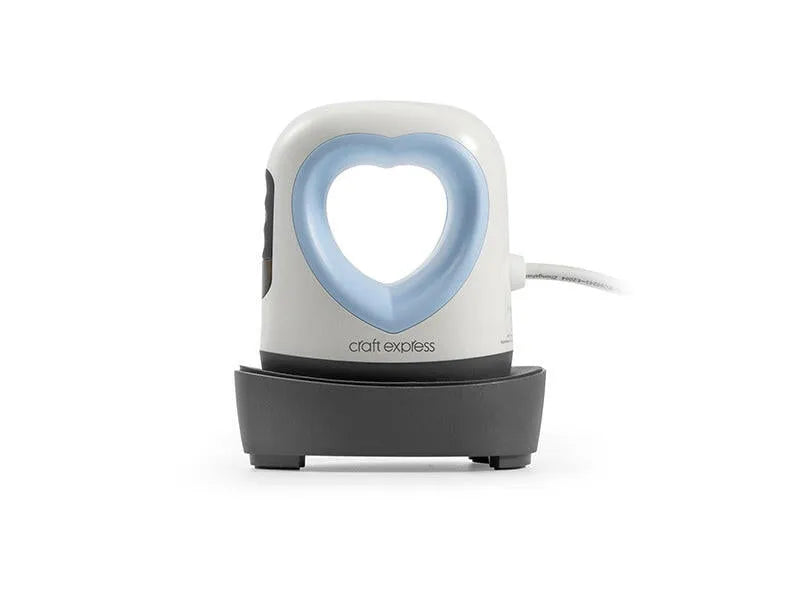
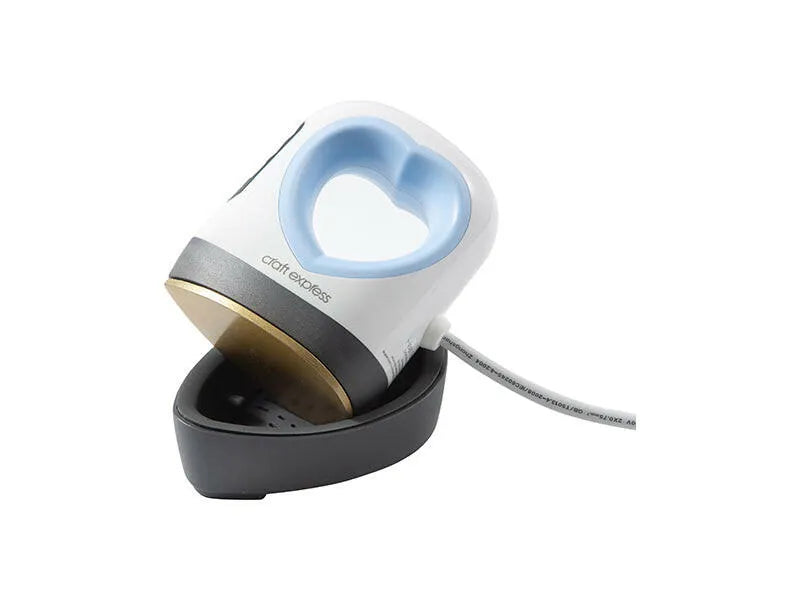
Craft Express Small Handheld Heat Press – Mini 3.5" x 2.25" for Sublimation & HTV
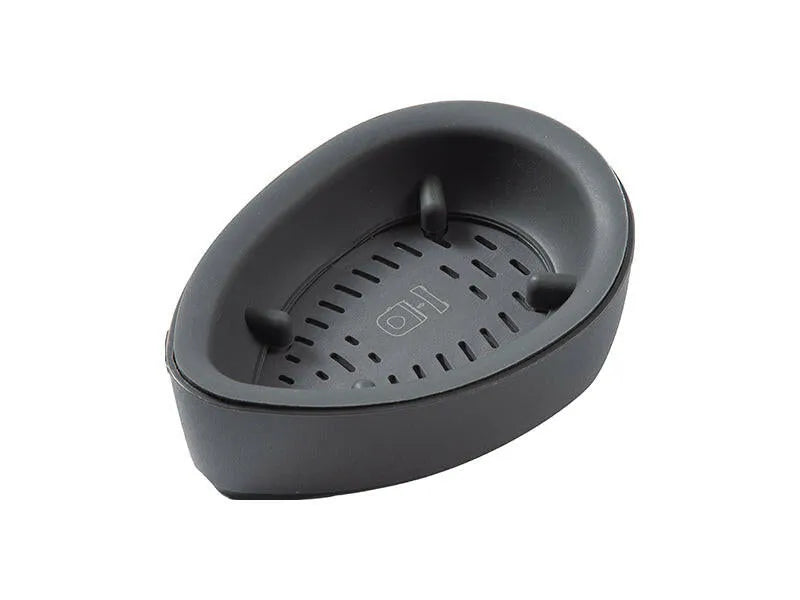
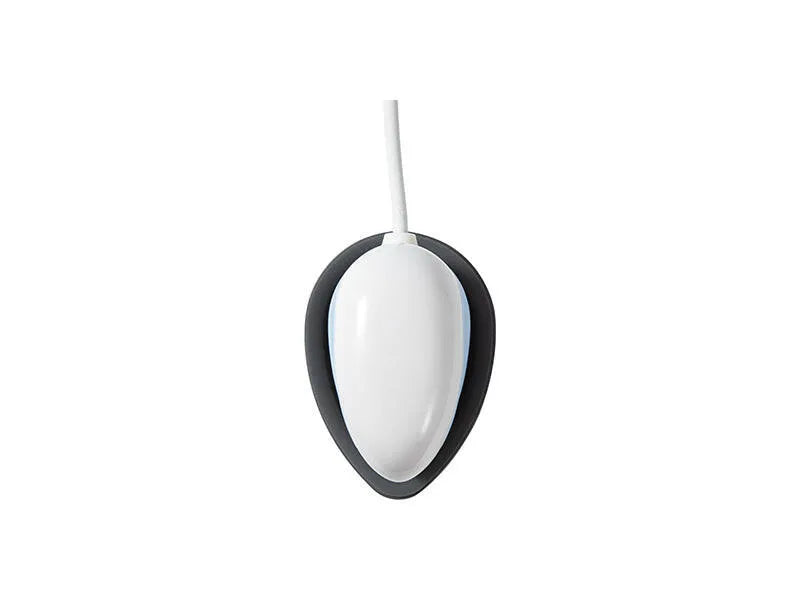
Add a name to a sleeve, finish a fabric label, or plan a small design for a gift. The Craft Express Small Handheld Heat Press brings a compact 3.5 × 2.25-inch [88.9 × 57.15mm] heat plate to projects where a larger platen can be awkward to position.
Works with
-
 Sublimation

Choose options
Description
Small details. A personal finishing touch.
Add a name to a sleeve, finish a fabric label, or plan a small design for a gift. The Craft Express Small Handheld Heat Press brings a compact 3.5 × 2.25-inch [88.9 × 57.15mm] heat plate to projects where a larger platen can be awkward to position.
With digital time and temperature controls and a listed maximum temperature of 400°F, this mini heat press is intended for compatible HTV, sublimation, and heat-applied DTF projects. Its handheld format lets you position the plate over small accessible areas, while you provide the pressure and maintain contact throughout the application.
Why choose a mini handheld press?
- Work on smaller details: The compact plate suits appropriately sized artwork on sleeves, collars, labels, patches, and other accessible areas.
- Set time and temperature digitally: Select settings for the exact transfer and blank rather than relying on a single preset for every material.
- Keep your workspace flexible: A compact format is practical for smaller craft spaces or transporting between suitable work areas.
- Explore different transfer methods: Use approved HTV, sublimation, or textile DTF combinations within the press’s operating limits.
Specifications and buying details
| Detail | Product information |
|---|---|
| Press type | Small handheld heat press with manually applied pressure |
| Listed heat plate size | 3.5 × 2.25 inches [88.9 × 57.15mm] |
| Controls | Digital time and temperature controls |
| Listed maximum temperature | 400°F |
| Transfer methods named | HTV, sublimation, and heat-applied DTF, subject to the exact material requirements |
| Automatic shut-off | Named in the FAQ; activation interval and operating conditions are not specified |
| SKU | CEHP0203-LB |
Voltage, wattage, plug type, minimum temperature, timer range, cord length, and a complete accessory list are not supplied in the available specifications. Confirm electrical suitability and included accessories before purchase. Transfers, blanks, pressing pillows, protective sheets, and a resting stand are not confirmed as included.
Project and material compatibility
| Project or material | What to check |
|---|---|
| Heat transfer vinyl (HTV) | Use a vinyl and fabric combination approved for handheld pressing. Follow that vinyl’s temperature, time, pressure, and carrier-peel instructions. |
| Sublimation | Use a suitable polyester or sublimation-coated blank and compatible transfer. The accessible print area must support stable plate contact and the required pressure. |
| Textile DTF transfers | Use a heat-applied transfer whose supplier approves the required manual pressure and temperature. Confirm peel type and post-press instructions. |
| UV DTF decals | Not the heat-applied DTF process described here. Do not heat a UV DTF decal based on this listing. |
| Hat brims, collars, sleeves, and shoes | These are suggested project areas, not universal material approval. Check heat tolerance, backing support, shape, and full contact without damaging nearby components. |
| Labels and patches | Use products with a compatible heat-activated backing; not every patch or label is iron-on. |
| Seams, zippers, and raised areas | A suitable pressing pillow may help support the area, but does not guarantee uniform pressure or fit. |
| Large artwork | The small plate is not a full-size platen. Multiple placements can introduce overlap or uneven heating; use equipment appropriate to the complete design. |
A handheld press does not mechanically clamp the work. Pressure depends on your technique, the support beneath the blank, and the shape of the project. A compact plate alone does not guarantee even pressure, edge-to-edge heating, or suitability for curved surfaces.
Listed starting settings
| Transfer method | Temperature example | Time example | Important limits |
|---|---|---|---|
| HTV | 305°F | 15 seconds | Confirm the specific vinyl and fabric instructions, including carrier-peel timing. |
| Sublimation | 385–400°F | 45–60 seconds | Confirm the exact blank, coating, pressure, orientation, and paper-removal procedure. |
| Heat-applied DTF | 300°F | 10 seconds | The listing mentions peeling and post-pressing but supplies no post-press time or temperature, or defined peel stage. |
The general instructions call for firm hand-applied pressure. These figures are examples, not universal recipes. Follow the transfer and blank suppliers’ complete approved procedure within the press’s limits. The instruction to cool briefly before peeling does not establish the correct hot, warm, or cold peel for every HTV, DTF film, or sublimation paper.
How to prepare a small transfer project
- Read the press manual and confirm your transfer, blank, and electrical supply are suitable.
- Prepare a stable, heat-resistant work surface with appropriate backing support. Keep heat-sensitive surfaces and nearby components protected.
- Position the blank and transfer according to their instructions. Check artwork orientation for the specific transfer process.
- Power on the press, select the approved time and temperature, and wait for its ready indication as described in the manual.
- Place the plate over the intended design area and apply the prescribed pressure for the required duration. Follow the approved procedure rather than improvising overlapping passes.
- Lift the press carefully and place it on the manufacturer-approved heat-resistant resting surface.
- Remove the carrier or paper at the transfer supplier’s specified peel stage. Complete any required post-press only with a defined procedure.
- Switch off and unplug after use, allow the press to cool fully before storage, and test a sample before making a batch.
Care and safe handling
Follow the manual for plate cleaning, storage, and inspection. Do not pack the press while hot. Automatic shut-off is a backup feature, not permission to leave a heated press unattended or a guarantee against burns or material damage. The small size does not make it a child-operated tool.
Frequently asked questions
How large is the heat plate?
The listed size is 3.5 × 2.25 inches [88.9 × 57.15mm]. Plan artwork around actual usable contact with your blank, not dimensions alone.
Does it get hot enough for sublimation?
The FAQ lists a maximum of 400°F. Successful application also depends on an approved blank, transfer, contact area, pressure, time, and removal procedure.
Can I use it for HTV and DTF?
Both are named in the listing. Confirm that the exact transfer supports handheld pressing and that you can supply its required pressure. Heat-applied textile DTF is different from UV DTF decals.
Can I use it on hats or shoes?
These are suggested project areas. Confirm the material tolerates heat and can be supported for stable contact. It is not a dedicated shaped hat or shoe press.
Does it control pressure automatically?
No automatic pressure control is listed. You apply and maintain pressure by hand.
Can I use a pressing pillow?
The FAQ suggests one for working around seams and zippers. Select appropriate support for the project and follow the material instructions; a pillow is not confirmed as included.
Does it have automatic shut-off?
The FAQ names this feature, but the interval and trigger conditions are not supplied. Continue supervising the press while it is hot.
Is it battery-powered?
The instructions say to plug it in. No cordless or battery operation is listed.
When should I peel my transfer?
Follow the exact transfer supplier’s instructions. A brief cooling period is not a universal peel rule.
Choose a small design, match it to the right transfer and blank, and give the finishing detail the attention it deserves.