


Choosing the Right Paper for Your VersiFlex Product
Choosing the right paper is essential for getting great results with VersiFlex. The VersiFlex system is designed to work with specific transfer paper that controls how ink releases and bonds during heat pressing. When you use the correct paper for your VersiFlex product, you get cleaner transfers, better color, and more reliable adhesion on cotton, wood, and other porous materials.
This guide explains which VersiFlex paper to use, why it matters, and how to avoid common paper related mistakes so you can press with confidence from your very first project.
Why Paper Choice Matters with VersiFlex
VersiFlex transfers work differently than sublimation paper or vinyl. The paper controls how the ink releases when heat and pressure are applied. Using the wrong paper can lead to:
-
Faded or uneven color
-
Poor adhesion
-
Smudging or ghosting
-
Incomplete transfers
VersiFlex media is engineered to release ink cleanly at higher pressure levels, which is why paper choice plays such a big role in your final results.
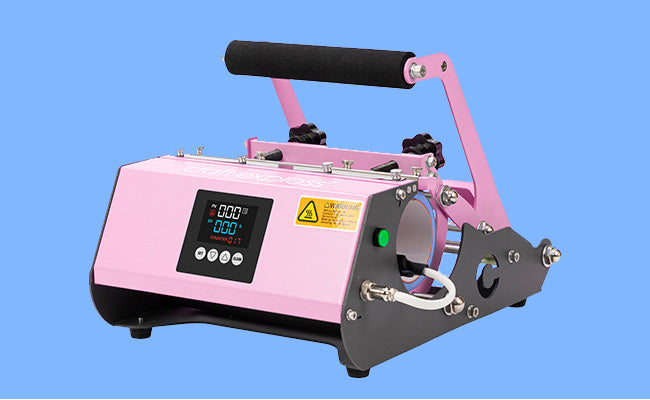
Using a quality press, like those found in Craft Express heat presses, helps ensure the paper performs as intended.
The Correct Paper to Use with VersiFlex
VersiFlex Transfer Paper
VersiFlex requires its own dedicated transfer paper. This paper is designed to:
-
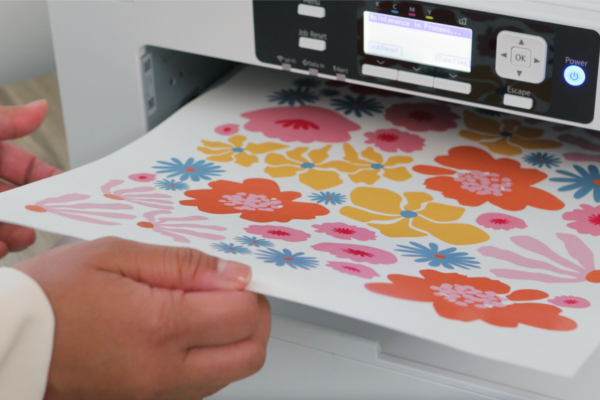
Hold ink evenly during printing
-
Release the ink film during heat pressing
-
Work with firm pressure and higher temperatures
VersiFlex transfer paper should only be used with VersiFlex inks and a compatible printer. Mixing paper types or inks can cause unpredictable results.
If you are new to VersiFlex, start with manufacturer recommended paper only and avoid experimenting until you are comfortable with the process.
Paper Types You Should Not Use
It is important to understand what does not work with VersiFlex.
Avoid using:
-
Sublimation paper (unless using Versiflex for traditional sublimation)
-
Standard inkjet paper
-
Laser transfer paper
-
Heat transfer vinyl carrier sheets
These papers are designed for different technologies and will not release ink properly with VersiFlex. Using them can damage your blank or waste your transfer.
How Paper Choice Affects Different Materials
Cotton and Fabric Blanks
On cotton and fabric, the correct VersiFlex media allows the ink film to sit smoothly on top of the fibers.
Proper paper use results in:
-
Even color coverage
-
Clean edges
-
Strong adhesion after washing
Always pre press fabric to remove wrinkles before applying the transfer.
You can explore suitable fabrics in Craft Express blanks and apparel.
Wood and Porous Surfaces
Wood relies heavily on paper performance. Because wood grain varies, the paper must release consistently to avoid blotchy or uneven transfers.
Best practices for wood:
-
Use unfinished or lightly sanded wood
-
Avoid sealed or glossy surfaces
-
Test paper performance on scrap pieces
The right paper helps the ink film bridge minor grain variations for better visual results.
Printing Tips for VersiFlex Media
To get the best results from your VersiFlex media:
-
Print designs shortly before pressing
-
Handle printed sheets carefully to avoid smudging
-
Keep paper flat before use
Avoid stacking printed transfers ink side to ink side. This helps preserve image quality until pressing.
Pressing Tips Related to Paper Use
Paper plays a role during pressing as well.
Follow these tips:
-
Always use fresh blowout or protective paper
-
Replace protective paper after each press
-
Do not reuse transfer paper
Reusing paper or protective sheets with ink residue can cause ghosting or unwanted marks on future projects.
Helpful accessories for proper pressing can be found in Craft Express heat press accessories.
Common Paper Problems and How to Fix Them
Transfer looks faded
For traditional sublimation, the designs on your sublimation paper will look faded until it is press at the proper time, temperature and pressure.
Ink did not release fully
Increase pressure slightly and confirm the press reached the correct temperature.
Ghosting or shadow marks
Replace protective paper and avoid shifting the transfer while hot.
Most paper related issues can be corrected by confirming paper type and improving pressure consistency.
Storing VersiFlex Media Properly
Proper storage helps maintain paper performance.
Best storage practices:
-
Store media flat
-
Keep it in a dry environment
-
Avoid humidity and temperature extremes
Well stored media produces more consistent results over time.
Final Thoughts
Choosing the right paper for your VersiFlex product is just as important as choosing the right blank or heat press settings. When you use VersiFlex transfer media as intended, you get better color, stronger adhesion, and fewer pressing issues.
Start with recommended materials, follow proper handling and storage tips, and test when needed. With the right paper or media, VersiFlex becomes a reliable and rewarding decorating system for cotton, wood, and fabric projects along with traditional sublimation.
Ready to start your handmade sublimation, VersiFlex, DTF or HTV business? Head to craftexpressus.com for heat presses, blanks, supplies and more!
FAQ: VersiFlex Paper Selection
Can I use sublimation paper with VersiFlex?
Yes. Sublimation paper is designed for dye sublimation and will work with VersiFlex under traditional sublimation settings.
Do I need different paper for fabric and wood?
No. VersiFlex transfer media is designed to work across recommended porous materials.
Can I reuse VersiFlex transfer media?
No. Each transfer sheet is single use.
Should I press immediately after printing?
Yes. Pressing shortly after printing helps achieve the best ink release and adhesion.

Leave a comment
This site is protected by hCaptcha and the hCaptcha Privacy Policy and Terms of Service apply.