




Do I Need a Business License to Sell Custom Shirts? A Clear Guide for Aspiring Creators
If you’re thinking “Do I need a business license to sell custom shirts?” — the short answer is usually yes, but it depends on how and where you plan to sell. Whether you’re making shirts with sublimation, heat transfer vinyl (HTV), or direct printing, understanding the legal side is one of the first steps toward building a serious and successful custom shirt business.
In this beginner-friendly guide, we’ll break down when a business license is required, what other permits you might need, how to register your business, and tips to stay compliant — all without the legal jargon.
What a Business License Really Means
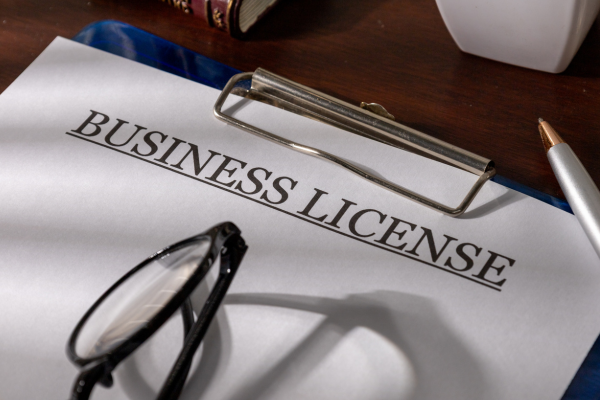
A business license is an official permission from your local government that allows you to operate legally. It doesn’t matter if you’re selling on Etsy, at craft fairs, online, or out of your garage if you’re selling shirts (or anything else) with the goal of making money, most cities or counties will require some form of license.
Having a license means:
-
You are recognized as a legal business
-
You can open a business bank account
-
You keep your side hustle compliant
-
You protect yourself from fines or forced shutdown
Do You Need a Business License to Sell Custom Shirts?
Yes — If You Are Selling in Any Public or Commercial Context
Most places require a business license if you:
-
Sell online (Etsy, Shopify, Amazon, your own website)
-
Sell at craft fairs or markets
-
Sell at local events or pop-ups
-
Sell wholesale to other businesses
-
Sell from home on a regular basis
Even if you’re making shirts as a side hustle, most cities or counties consider that a business once money is exchanged.
If you’re simply making shirts for friends and family and not selling them, you typically do not need a license. But once you start charging money, that changes the classification.
Other Permits and Registrations You May Need
A business license is often just the first step. Depending on where you live and how you sell, you might also need:
📍 Sales Tax Permit (Sales Tax ID)
If you’re selling custom shirts (or any physical products), your state may require you to collect sales tax. That usually means registering for a Sales Tax Permit in your state so you can legally collect and remit tax on sales where required.
This is separate from a business license and is often mandatory even for online sales.
🧾 DBA (“Doing Business As”) Name
If you want to sell under a business name different from your legal name (for example, “Creative Tees Co.” instead of “Jamie Smith”), you might need to register a DBA with your local government.
🏠 Home Occupation Permit
Some cities require a home occupation permit if you run your business from home — especially if customers will visit or if there’s noticeable traffic.
This varies widely by city and county, so check with your local government.
🧑💼 Employer Identification Number (EIN)
An EIN from the IRS isn’t always required for sole proprietors, but it can be helpful for:
-
Opening a business bank account
-
Hiring employees
-
Operating as an LLC
How to Get a Business License (Step by Step)
Here’s a simple checklist you can follow:
1. Check Your Local Requirements
Business licensing is typically handled by the city or county where you operate. Search terms that help include:
-
“business license near me”
-
“[Your City/County] business license requirements”
-
“sell homemade products license [Your City]”
Tip: Your local chamber of commerce or city website usually has clear steps.
2. Choose Your Business Structure
Common options include:
-
Sole Proprietor
-
LLC (Limited Liability Company)
-
Partnership
Most beginners start as a sole proprietor, which has minimal setup fees. An LLC provides personal liability protection but has higher fees and paperwork.
3. Register Your Business Name
If you’re using a name other than your legal name, file a DBA.
4. Apply for a Business License
This may be online or in person. Expect:
-
A small fee (varies by location)
-
Basic contact and business info
5. Register for Sales Tax (If Required)
Once you have your business license, register for a Sales Tax Permit with your state revenue department.
6. Open a Business Bank Account
Separating personal and business finances keeps your books clean and makes taxes easier.
Do You Need a Business License to Sell on Platforms Like Etsy?
Yes. Most online marketplaces don’t replace the need for a license. Etsy, eBay, Shopify, Amazon, and similar platforms expect you to comply with your own local laws including business licensing and sales tax collection.
Here’s how it works:
-
Etsy may collect sales tax for orders automatically, but you are still responsible for reporting and remitting it if required by your state.
-
Platforms may request tax information that matches your legal/business records.
Think of the platform as a marketplace — not a legal shield.
What Happens If You Don’t Have a License?
Not having a required license can lead to:
-
Fines or penalties from your city or state
-
Business shutdown orders
-
Difficulty opening business bank accounts
-
Issues with online marketplaces or payment processors
It’s much cheaper and less stressful to get compliant early.
Frequently Asked Questions
Q. I’m just making custom shirts as a hobby. Do I still need a business license?
A. If you’re not selling them for money, usually no. But once you start selling, you’re running a business in the eyes of local government.
Q. How much does a business license cost?
A. Fees vary widely by city/county and sometimes by business type. Many small licenses are under $100 annually, but check your local government site.
Q. Do I need a license if I sell only online?
A. Yes — you often still need a business license and a sales tax permit in your home state.
Q. Can I start without a license and get it later?
A. It’s best to get compliant before selling, but you can apply anytime. Back licensing may be required if you sold earlier.
Q. What if I sell at craft fairs or local markets?
A. Most require vendors to show a business license and a sales tax permit to participate.
Final Thoughts
Starting a custom shirt business is exciting but legality matters. A business license isn’t just paperwork it protects you, gives you credibility, and sets you up for growth. Whether you’re planning to sell sublimation shirts, heat transfer designs, embroidered tees, or print-on-demand products, getting the right license and permits early makes everything smoother.
If you’d like, I can also create a checklist or printable guide to follow when starting your custom shirt business. Just let me know!
Ready to start your handmade sublimation, VersiFlex, DTF or HTV business? Head to craftexpressus.com for heat presses, blanks, supplies and more!


Leave a comment
This site is protected by hCaptcha and the hCaptcha Privacy Policy and Terms of Service apply.