


How Do I Price Items at a Booth? A Simple Guide for Craft and Sublimation Sellers
If you are asking how do I price items at a booth, you are already thinking like a smart business owner. Pricing at a farmers market, craft fair, or local event is different from pricing online. You must account for booth fees, local buying behavior, impulse purchases, and competition, all while making sure you actually earn a profit. The good news is that pricing does not have to be complicated. With a clear formula and a little preparation, you can confidently price your sublimation and personalized products for success.
In this guide, we will walk through exactly how to price items at a booth so you cover your costs, pay yourself fairly, and stay competitive without underpricing your work.
Why Booth Pricing Is Different from Online Pricing
Before we get into formulas, it is important to understand why booth pricing requires special attention.
When selling at a booth, you have:
-
Booth rental fees
-
Travel expenses
-
Setup time and labor
-
Payment processing fees
-
Limited selling hours
-
Immediate customer interaction
Unlike online sales that can happen anytime, booth sales are time limited. You need to make enough during the event to justify your time and expenses.
Step 1: Calculate Your True Costs
The first step in answering how do I price items at a booth is understanding your real costs.
For each product, calculate:
For example, if you are selling a sublimation mug using quality blanks like Craft Express sublimation mugs, your base material cost might include the mug, ink, paper, and box.
Do not forget to factor in:
-
Sales tax if required
-
Credit card transaction fees
-
A portion of your booth fee spread across expected sales
If your booth fee is 100 dollars and you expect to sell 40 items, that is 2.50 per item just to cover the booth cost.
Step 2: Use a Simple Pricing Formula
A common beginner friendly formula is:
Material Cost
-
Overhead Allocation
-
Labor
= Base Cost
Then multiply that base cost by two to three times, depending on your market.
For many craft and sublimation sellers, pricing at least two to three times material cost creates healthy margins. However, your final price should also reflect your local market expectations.
Step 3: Research Your Local Market
Pricing is not only about math. It is also about perception.
Walk your market and observe:
-
What similar items are selling for
-
What customers are actually buying
-
How products are displayed
-
The overall income level of the area
For example, custom tumblers made from quality blanks like Craft Express sublimation tumblers may sell for 35 to 60 dollars depending on your region.
Do not automatically match the lowest price you see. Low pricing often signals low quality. Many customers expect handmade and personalized items to cost more than mass produced products.
Step 4: Factor in Your Equipment Investment
Your equipment is part of your business investment.
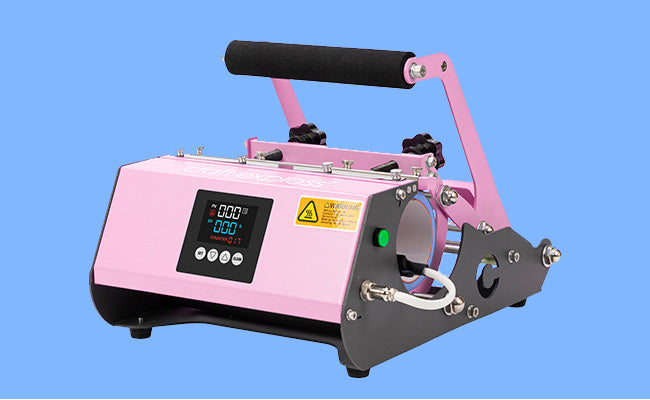
If you are producing shirts or other apparel using reliable tools like Craft Express heat presses, that equipment cost should be gradually built into your pricing structure.
You do not need to recover the entire machine cost in one weekend. But over time, your pricing should allow you to cover equipment replacement and maintenance.
Always follow recommended temperature and pressing time ranges from your blank manufacturer to avoid costly mistakes that eat into profit.
Step 5: Create Clear, Rounded Prices
At a booth, simplicity sells.
Instead of pricing items at 27.43, use clean pricing like:
-
25
-
30
-
35
-
40
Rounded prices make cash handling easier and reduce customer hesitation.
You can also use pricing tiers:
-
Small items under 15
-
Mid range items 25 to 40
-
Premium items 50 and up
This gives customers options without overwhelming them.
Step 6: Build in Profit for Slow Days
Not every market day will be strong. Weather, foot traffic, and competing events all affect sales.
Your pricing should:
-
Cover booth fees even on average days
-
Leave room for occasional slow events
-
Allow you to reinvest in inventory
If you barely break even on a good day, your prices are likely too low.
Step 7: Consider Psychological Pricing at Booths
In person buying is emotional.
Customers are more likely to buy when:
-
They feel the item is unique
-
They can touch and see quality
-
The price feels fair for handmade work
Highlight personalization. For example:
-
Free name included
-
Custom text available
-
Local exclusive design
Perceived value increases when customers understand the uniqueness of what they are buying.
Step 8: Offer Bundle Pricing
Bundles increase average order value.
Examples:
-
Mug plus coaster for 45
-
Tumbler plus keychain for 60
-
Shirt plus tote for 65
Bundles feel like a deal while still protecting your margin.
Common Pricing Mistakes at Booths
Avoid these common errors:
Underpricing because you feel nervous
Copying the cheapest vendor
Forgetting to include booth fees in your math
Not paying yourself for labor
Changing prices mid event without consistency
Confidence in your pricing builds trust.
A Simple Pricing Example
Let’s say your total cost to produce a tumbler is:
-
12 blank
-
2 ink and paper
-
2 packaging
-
3 booth allocation
Total cost: 19
If you multiply by 2.5, your retail price would be about 47.50. You could round to 45 or 50 depending on your market.
That leaves room for profit while staying within common booth price ranges.
Final Thoughts: How Do I Price Items at a Booth?
If you have been asking how do I price items at a booth, the answer comes down to three things:
Know your costs.
Understand your market.
Price for profit, not fear.
Farmers markets and craft fairs give you the opportunity to connect directly with customers. When you price confidently and fairly, you protect your time, your energy, and your business growth.
Start with clear calculations, test your pricing over a few events, and adjust if necessary. The goal is not just to make sales. The goal is to build a sustainable business.
Ready to start your handmade sublimation, VersiFlex, DTF or HTV business? Head to craftexpressus.com for heat presses, blanks, supplies and more!
FAQ
Q: Should my booth prices be higher than online?
They can be slightly higher to account for booth fees and live selling expenses.
Q: What if customers say my prices are too high?
Focus on customers who value quality. Do not lower prices based on one opinion.
Q: How do I handle discounts at markets?
Offer bundle deals instead of lowering individual item prices.
Q: Should I include sales tax in my displayed price?
This depends on local regulations. Some sellers build tax into the price for simplicity.
Q: How often should I adjust my pricing?
Review pricing every season or whenever supply costs change.


Leave a comment
This site is protected by hCaptcha and the hCaptcha Privacy Policy and Terms of Service apply.