




Top 10 Tips for Pressing Drinkware with Confidence
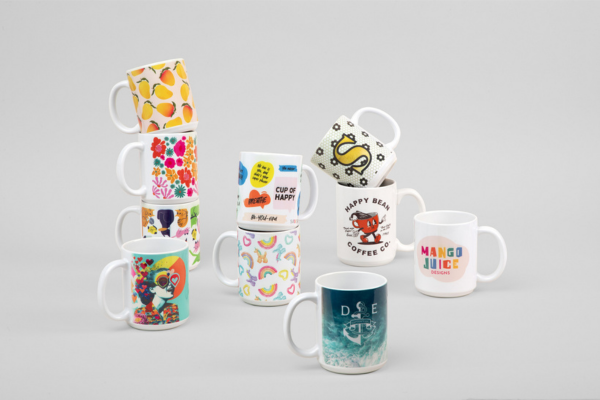
Pressing drinkware can feel intimidating at first. Mugs, tumblers, and bottles are curved, slick, and far less forgiving than flat shirts or totes. If your first attempt looked faded, uneven, or slightly off center, you are not alone. The good news is that most drinkware issues come down to a few small details that are easy to fix once you know what to watch for.
This guide shares the top tips for pressing drinkware successfully so you can get cleaner wraps, brighter colors, and more consistent results whether you are crafting for fun or selling finished products.
1. Start with the Right Drinkware Blank
Not all drinkware is created equal. For sublimation or VersiFlex projects, the blank itself plays a huge role in your results.
For best results:
-
Use drinkware specifically labeled for heat transfer or sublimation
-
Stick with light colored coatings for vibrant designs
-
Avoid chipped, scratched, or uneven surfaces
Quality blanks make pressing easier and help colors appear as intended.
You can explore compatible options in Craft Express blanks and apparel.
2. Make Sure Your Design Is the Right Size
One of the most common drinkware mistakes is sizing the design incorrectly.
Before printing:
-
Measure the pressable area of the mug or tumbler
-
Leave space near handles and rims
-
Avoid wrapping designs too far around unless intended
A well sized design reduces ghosting and uneven pressure issues.
3. Always Secure the Transfer Tightly
Loose paper is the enemy of clean drinkware results.
Best practices:
-
Wrap the transfer tightly and smoothly
-
Use heat resistant tape generously
-
Make sure there are no gaps or bubbles
Even a small shift during pressing can cause shadows or double images.
4. Use Even, Consistent Pressure
Drinkware requires consistent pressure around the entire surface.
Whether you are using a mug press or tumbler press:
-
Make sure the item fits the press correctly
-
Adjust pressure so the wrap is snug but not crushing
-
Avoid forcing oversized drinkware into a press
Consistent pressure helps prevent faded spots and uneven color.
A dependable press like those found in Craft Express heat presses makes this much easier to control.
5. Follow Recommended Time and Temperature Settings
Drinkware is sensitive to both under pressing and over pressing.
General guidance (always test first):
-
Follow blank manufacturer recommendations
-
Avoid extending time to fix faded spots
-
Adjust pressure before adjusting time
Over pressing can cause discoloration, while under pressing leads to dull designs.
6. Rotate When Needed
Some presses do not apply perfectly even heat around the entire item.
If recommended for your setup:
-
Rotate the mug or tumbler halfway through pressing
-
Keep rotation consistent for every project
-
Test to see if rotation improves your results
Rotation can help eliminate lighter areas on larger drinkware.
7. Remove Paper While Hot
This step matters more than many people realize.
After pressing:
-
Peel item while still hot to avoid ghosting
-
Avoid sliding or bumping the paper while hot
-
Remove tape carefully and smoothly
Rushing this step can cause ghosting even if the press itself was perfect.
8. Use Fresh Protective Paper Every Time
Protective paper absorbs excess ink vapor and protects your press.
Best practices:
-
Place protective paper inside and around drinkware if recommended
-
Replace paper after each press
-
Never reuse paper with visible ink residue
Clean protective materials help keep results crisp and presses clean.
You can find helpful supplies in Craft Express heat press accessories.
9. Expect Prints to Look Dull Before Pressing
This tip is especially important for beginners.
Sublimation and some transfers often look faded or washed out on paper. That is normal. The true color appears only after heat is applied. Always judge color after pressing, not before.
10. Test First and Take Notes
Every press, blank, and workspace behaves a little differently.
Before selling or gifting drinkware:
-
Test on a sample item
-
Write down time, temperature, and pressure
-
Repeat what works instead of guessing each time
Testing saves money, time, and frustration.
Common Drinkware Pressing Mistakes to Avoid
Avoid these common issues:
-
Using non coated drinkware
-
Wrapping designs loosely
-
Skipping pressure adjustments
-
Rushing paper removal
-
Changing multiple settings at once
Most drinkware problems come down to one of these simple mistakes.
Final Thoughts
Pressing drinkware takes practice, but it does not have to be stressful. Once you understand how pressure, heat, and wrap tension work together, drinkware becomes one of the most satisfying product types to create. Bright mugs and tumblers are popular, giftable, and highly sellable when done right.
Take your time, test often, and trust yourself. Every great result starts with one learning press.
Ready to start your handmade sublimation, VersiFlex, DTF or HTV business? Head to craftexpressus.com for heat presses, blanks, supplies and more!
FAQ: Pressing Drinkware
Why is part of my mug lighter than the rest?
This is usually caused by uneven pressure or heat distribution.
Do I need to rotate my mug while pressing?
Some presses benefit from rotation. Test to see what works best for your setup.
Why did my design ghost?
Ghosting usually happens when the paper shifts while hot or during removal.
Is drinkware good for selling?
Yes. Drinkware is popular, repeatable, and has strong perceived value.


Leave a comment
This site is protected by hCaptcha and the hCaptcha Privacy Policy and Terms of Service apply.