



VersiFlex Pressing Tips for Wood, Fabric & Cotton (Beginner Friendly Guide)
Whether you’re personalizing wood signs, cotton tees, or fabric accessories, getting great VersiFlex pressing results comes down to three things: the right materials, correct heat press settings, and good prep work. VersiFlex lets you decorate porous substrates like wood and cotton without pretreatment, and following these tips will help you produce vibrant, long-lasting designs every time. (care.sawgrassink.com)
Why Use the VersiFlex Decorating System?
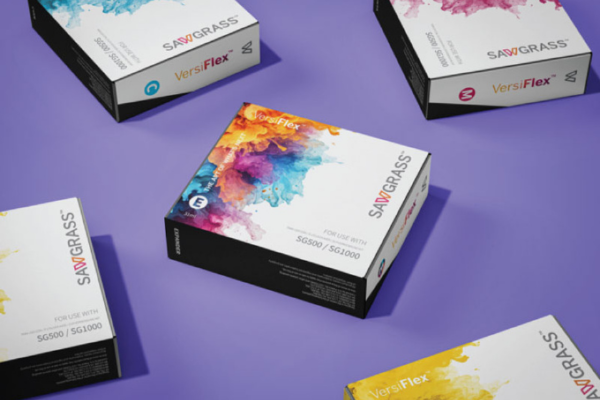
VersiFlex is a versatile transfer solution designed to print full-color designs onto cotton, canvas, natural wood, and more without the need for coatings or pre-treatments. It works by printing with specialized VersiFlex inks and heat transfer paper, then applying the design with a heat press. (Sawgrass Technologies)
Before you start, be sure you have:
-
A compatible heat press (manual),
-
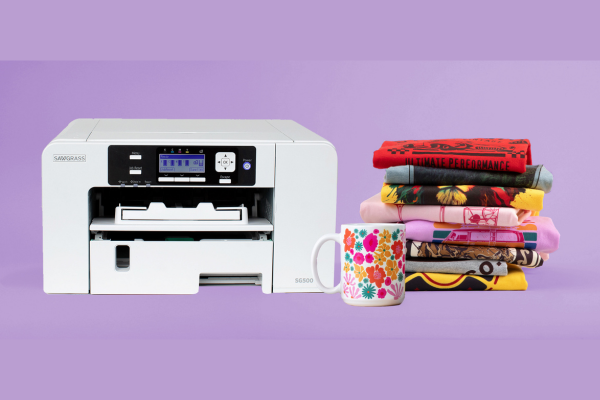
A printer loaded with VersiFlex inks and transfer paper,
-
The blank items you want to decorate (wood, fabric, cotton).
Check out Craft Express heat presses for beginner-friendly machines that work well with VersiFlex projects.
Pressing on Wood: Best Practices
Choosing Your Wood
For best adhesion and color clarity:
-
Use softer woods like pine, cedar, or spruce. These have enough porosity for the VersiFlex film to bond well. (care.sawgrassink.com)
-
Avoid dense hardwoods (like maple or cherry), which can resist the ink bonding and may produce uneven transfers. (care.sawgrassink.com)
-
If you’re using MDF or particle board, keep your designs simple and larger, as complex details may bleed a bit. (care.sawgrassink.com)
Wood Pressing Settings
-
Temperature: ~375°F (190°C)
-
Time: ~30 seconds
-
Pressure: Low to medium (light resistance when closing the press) (care.sawgrassink.com)
Pro Tips
-
Place the wood on the transfer paper and flip everything together so your design is exactly where you want it.
-
Peel the paper hot and steady for best results.
-
Increase pressure slightly if you see shiny lines from expander residue. (care.sawgrassink.com)
Try a smaller piece first to get comfortable before moving on to larger wood projects!
Pressing on Fabric
Best Fabrics for VersiFlex
Most natural fabrics work well with VersiFlex, especially cotton and cotton blends. Avoid heat-sensitive or coated fabrics like:
-
Silk (too delicate)
-
Leather or coated materials (surface sealants block adhesion) (care.sawgrassink.com)
Fabric Pressing Settings
-
Temperature: ~375°F (190°C)
-
Time: ~30 seconds
-
Pressure: Very high (firm resistance when closing the press) (care.sawgrassink.com)
Fabric Prep Tips
-
Pre-wash cotton fabrics to remove sizing or softeners that could interfere with adhesion.
-
Lint-roll and pre-press for 5–10 seconds to get rid of dust and flatten the surface.
-
Use heat-resistant tape to hold your transfer in place.
-
For bags or items with seams, add a pressing pillow or cardboard to get even pressure. (care.sawgrassink.com)
Want to press shirts, totes, and cotton blanks with confidence? Browse Craft Express blanks & apparel for options that take VersiFlex beautifully.
Pressing on Cotton: Detailed Tips
Choosing the Right Cotton
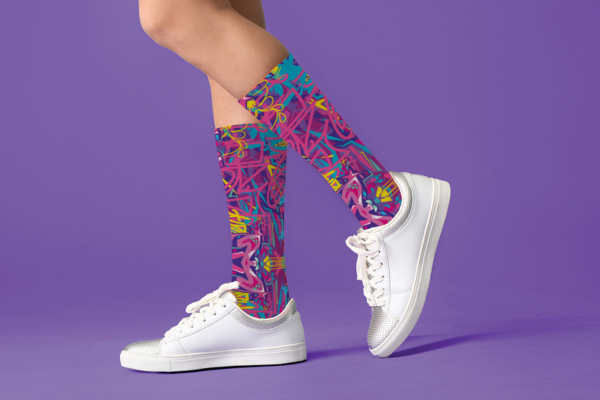
Smooth, tightly woven cotton fabrics give the best results because they provide a uniform surface for transfers. Examples include:
-
Combed cotton for crisp printed details
-
Cotton jersey for soft, wearable tees (care.sawgrassink.com)
Heavier cotton fabrics may need a bit more pressure because they hold heat longer, and tightly woven cotton helps you avoid gaps or imperfections in your design. (care.sawgrassink.com)
Cotton Pressing Checklist
-
Pre-wash your cotton to prevent shrinking after pressing.
-
Pre-press to flatten and remove moisture.
-
Press while the transfer is still fresh for best adhesion. (care.sawgrassink.com)
Check out Craft Express tools to add accessories that make alignment and pressing easier.
General Pressing Tips (All Materials)
Here are some universal tips to help your pressing go smoothly:
-
Always replace blowout paper after each press to prevent ghosting or unwanted ink transfer. (care.sawgrassink.com)
-
Press immediately after printing your VersiFlex design for best results. (YouTube)
-
Use firm, even pressure and give your heat press time to reach the right temperature before starting.
-
Practice on scrap material first so you can adjust settings without wasting your good blanks.
Final Thoughts
Mastering VersiFlex pressing on wood, fabric, and cotton takes a little practice, but once you’ve dialed in your settings and techniques, you’ll love the vibrant, professional results. Always start with good prep, consistent heat press settings, and quality blanks. With a bit of practice, your custom creations will shine! (care.sawgrassink.com)
Ready to start your handmade sublimation, VersiFlex, DTF or HTV business? Head to craftexpressus.com for heat presses, blanks, supplies and more!
FAQ (Quick Answers)
Q: Can VersiFlex print on dark fabrics?
Yes but it works best on white or light colored surfaces! For dark garments you’ll typically pair VersiFlex with heat transfer vinyl or special dark transfer media for best opacity.
Q: Do I need a special printer for VersiFlex?
Yes. VersiFlex requires a Sawgrass compatible printer loaded with VersiFlex inks and transfer paper. (Sawgrass Technologies)
Q: Should I press right after printing?
Yes, pressing the design while the ink is still fresh gives you the most vibrant and durable results.
Q: Why pre-wash cotton before pressing?
Pre-washing removes residues and prevents shrinkage after you decorate the garment. (care.sawgrassink.com)
Q: Can I reuse the same pressing paper for multiple transfers?
It’s best to replace blowout or protective paper after each press to avoid ink ghosting. (care.sawgrassink.com)
If you want help choosing the best heat press for your VersiFlex projects, just let me know and I’d be happy to guide you!

Leave a comment
This site is protected by hCaptcha and the hCaptcha Privacy Policy and Terms of Service apply.